

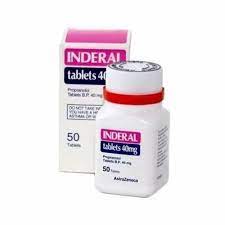
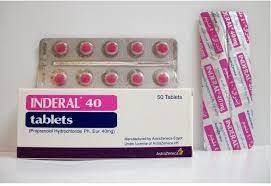
Price ,Uses And side effects of Inderal 40mg:
treats hypertension heart disorders and many conditions including: Hypertension (high blood pressure) Angina (chest pain) Some arrhythmias (disorders of heart rhythm)
common side effects:
- Cold fingers and toes
- the heart beating slowly
- fatigue
The active ingredient is propranolol. Inderal is produced as film-coated tablets in two different strengths. Each tablet contains 10 mg or 40 mg of propranolol hydrochloride. http://trendzoneltd.co.ke
Propranolol is one of a group of drugs called beta-blockers. It has effects on the heart and circulation and also on other parts of the body.http://trendzoneltd.co.ke
Inderal mainly used for:
- Hypertension (high blood pressure)
- Angina (chest pain)
- Some arrhythmias (disorders of heart rhythm)
- Protection of the heart after a myocardial infarction (heart attack)
- Prevention of migraine
- Essential tremor, anxiety
- Certain thyroid conditions (such as thyrotoxicosis, which is caused by an overactive thyroid gland)
- Hypertrophic cardiomyopathy (thickened heart muscle)
- Phaeochromocytoma (high blood pressure due to a tumour usually near the kidney)
Bleeding in the oesophagus caused by high blood pressure in the liver.
treats hypertension heart disorders
Always take this medicine exactly as your doctor or pharmacist has told you. Check with your doctor or pharmacist if you are not sure. Inderal tablets should be swallowed with a drink of water. Your doctor will have decided how many Inderal tablets you need to take each day depending on your condition. Follow your doctor’s instructions about when and how to take your tablets. Please read the label on the container.
This will also tell you how many tablets to take and when you should take them. Ask your doctor or pharmacist if you are not sure. The following table shows the recommended total daily dosages for an adult:
Hypertension (high blood pressure) 160 mg to 320 mg
Angina (chest pains) 120 mg to 240 mg
Arrythmias (disorders of heart rhythm)* 30 mg to 160 mg
Protection of the heart after a heart attack 160 mg
Prevention of migraine* 80 mg to 160 mg
Essential tremor 80 mg to 160 mg
Anxiety 40 mg to 120 mg
Certain thyroid conditions (such as thyrotoxicosis)* 30 mg to 160 mg
Hypertrophic cardiomyopathy (thickened heart muscle) 30 mg to 160 mg
Phaeochromocytoma* 30 mg to 60 mg
Bleeding in the oesophagus caused by high blood pressure in the liver 80 mg to 160 mg

There are no reviews yet.